Part 1: Understanding Healing and the Mind-Body Connection
Introduction
Have you ever noticed that when your mind is worried, your body also feels tired?Or when you’re under stress, you may get headaches, body pain, poor sleep, or feel irritated without any clear reason?
This happens because our mind, body, and emotions are deeply connected. When one is out of balance, the others are affected too.
For centuries, people across different cultures have searched for ways to restore this balance. Every civilization developed its own methods to help people become healthier—not only physically but also mentally, emotionally, and spiritually.
These methods are known as healing modalities.
Today, people around the world are becoming more interested in these approaches because they are looking for ways to manage stress, improve emotional well-being, build resilience, and live a more balanced life. Many of these practices are used alongside conventional medical care, not as a replacement for it. Some have strong scientific evidence for certain benefits, while others are still being actively researched.
While researching, I found that organizations such as the World Health Organization (WHO) and the U.S. National Center for Complementary and Integrative Health (NCCIH) classify healing approaches into broad categories rather than treating them all as equal. Some approaches have strong scientific evidence for certain conditions (such as mindfulness, yoga, acupuncture, and music therapy), while for others, including Reiki, research is still limited.
1. Mind-Body Healing
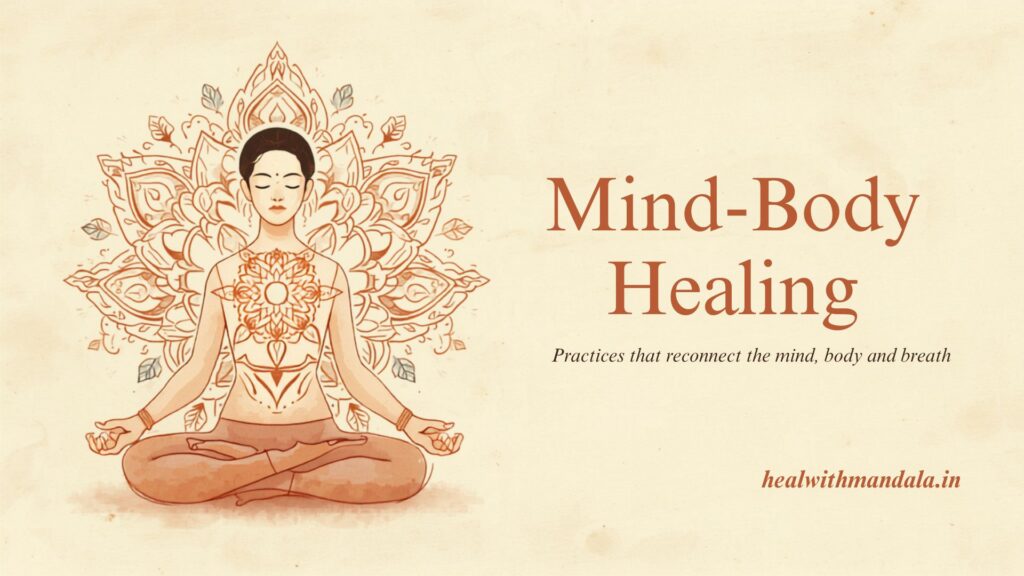
These therapies help connect the mind and body to reduce stress and improve emotional well-being.
• Meditation
• Mindfulness
• Yoga
• Breathwork
• Tai Chi
• Qigong
Research suggests these practices can help reduce stress, anxiety, improve sleep, and support overall mental health.
2. Energy Healing
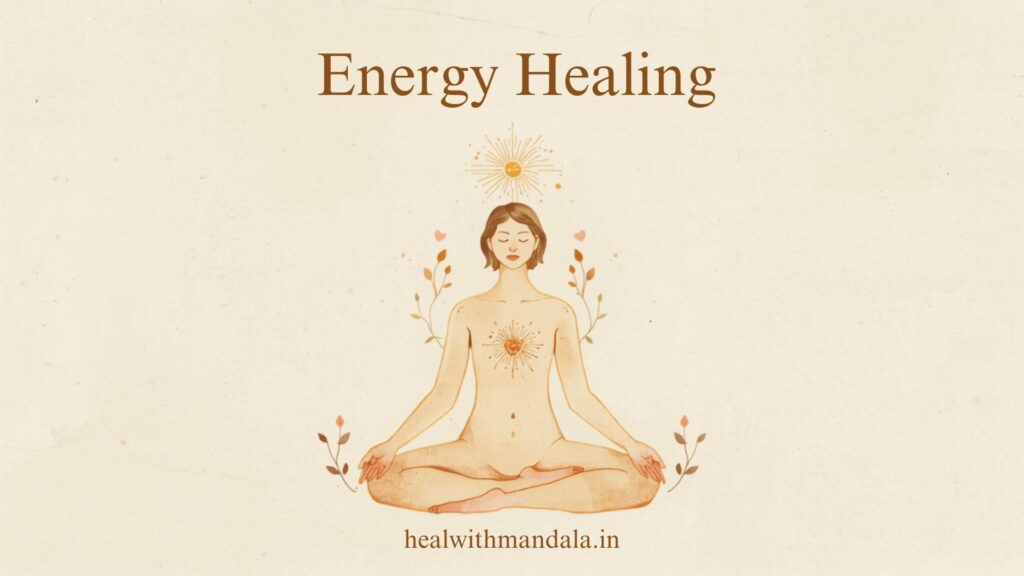
These therapies are based on the belief that the human body has an energy system that can be balanced.
• Reiki (Japan)
• Pranic Healing
• Healing Touch
• Therapeutic Touch
• Johrei
• External Qigong Healing
Many people report relaxation and emotional comfort after these therapies. However, scientific evidence is still developing, and studies have not consistently shown effectiveness for specific medical conditions.
3. Creative Healing Therapies
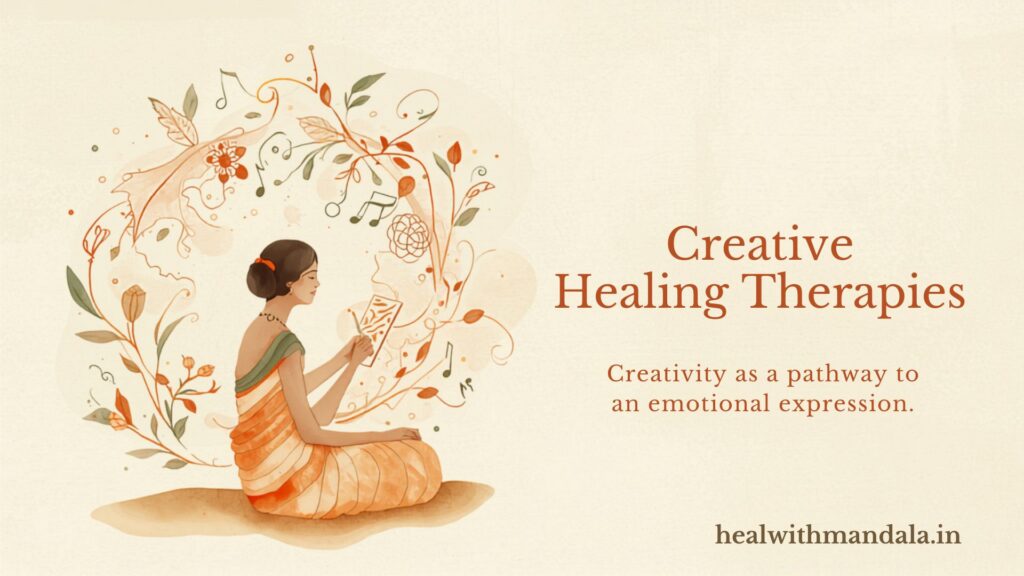
These use creativity as a pathway to healing.
• Mandala Therapy
• Art Therapy
• Music Therapy
• Dance Movement Therapy
• Drama Therapy
These therapies help people express emotions that may be difficult to put into words. Music therapy and art-based therapies have shown benefits for anxiety, mood, and quality of life in various settings.
4. Traditional Medical Systems
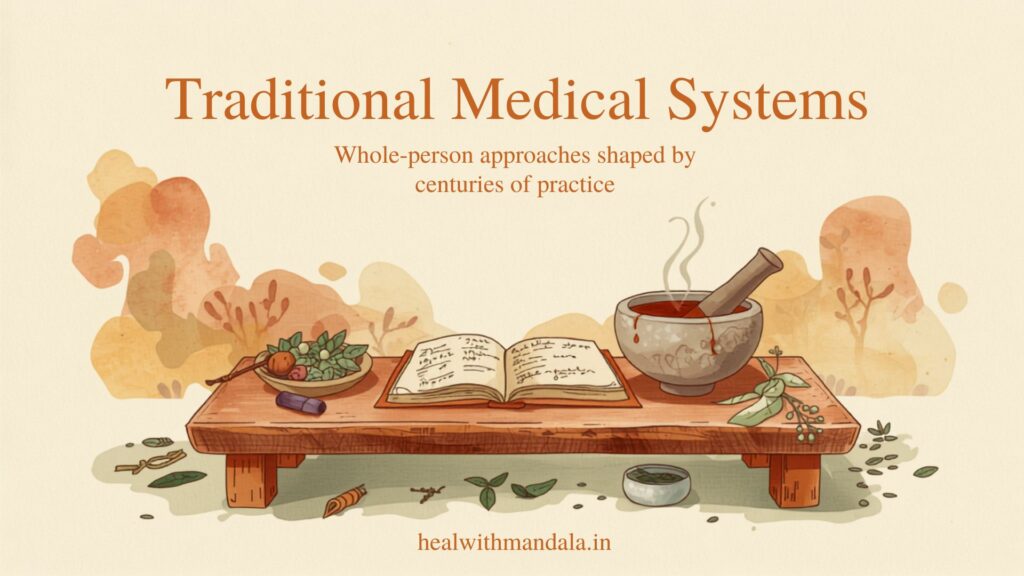
These healing systems have been practiced for centuries.
• Ayurveda (India)
• Traditional Chinese Medicine
• Tibetan Medicine
• Unani Medicine
• Siddha Medicine
• Kampo Medicine (Japan)
These systems focus on balancing the whole person—body, mind, lifestyle, and environment.
5. Body-Based Therapies
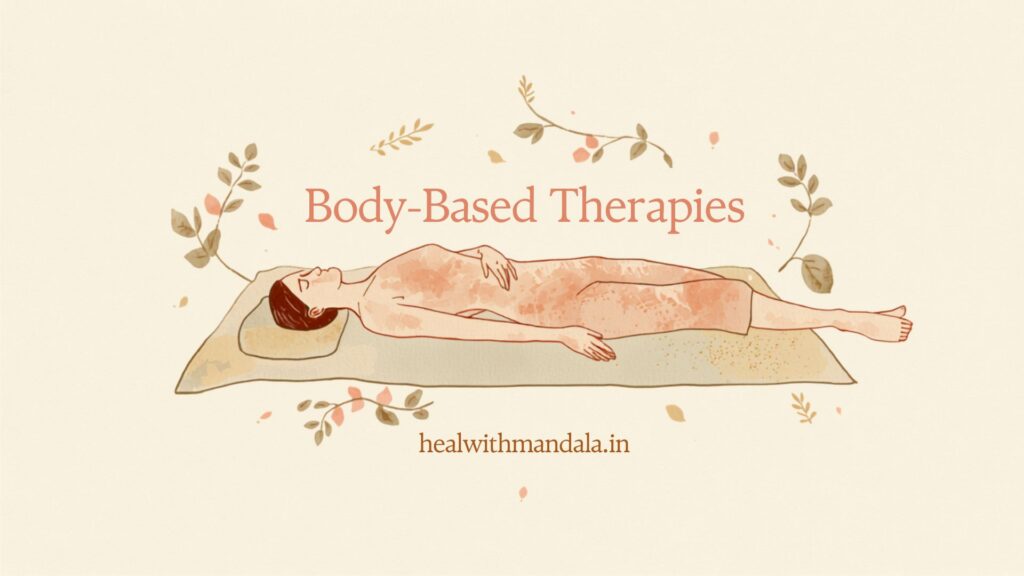
• Massage Therapy
• Acupressure
• Acupuncture
• Chiropractic Care
• Osteopathy
• Reflexology
Some of these, particularly acupuncture, massage, and certain manual therapies, have evidence supporting their use for specific pain conditions.
6. Nature-Based Healing
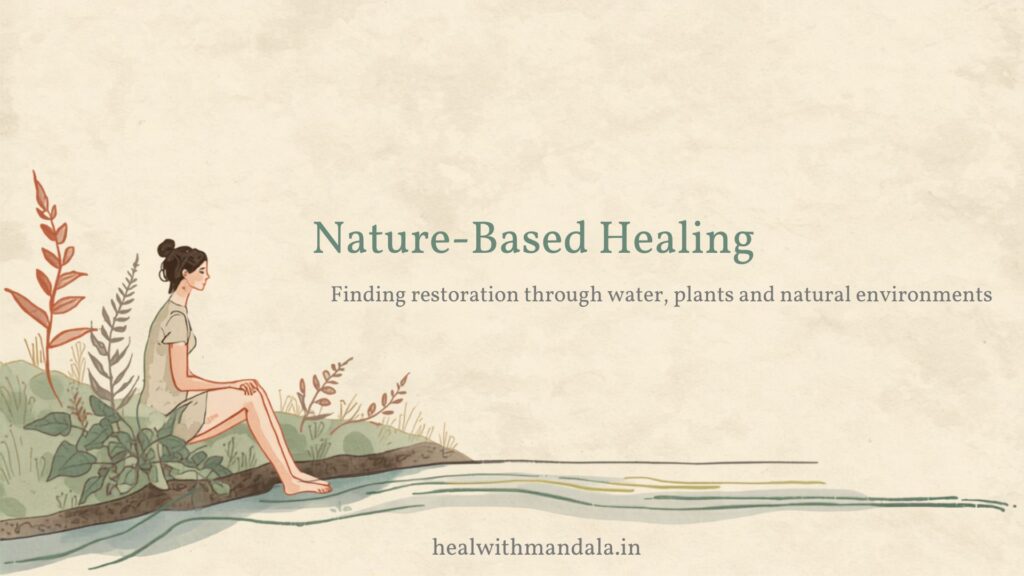
• Aromatherapy
• Forest Bathing (Shinrin-yoku)
• Nature Therapy
• Hydrotherapy
• Balneotherapy
• Horticulture Therapy
These approaches encourage healing through natural environments, water, plants, or essential oils. Evidence varies by therapy and condition.
7. Psychological Healing
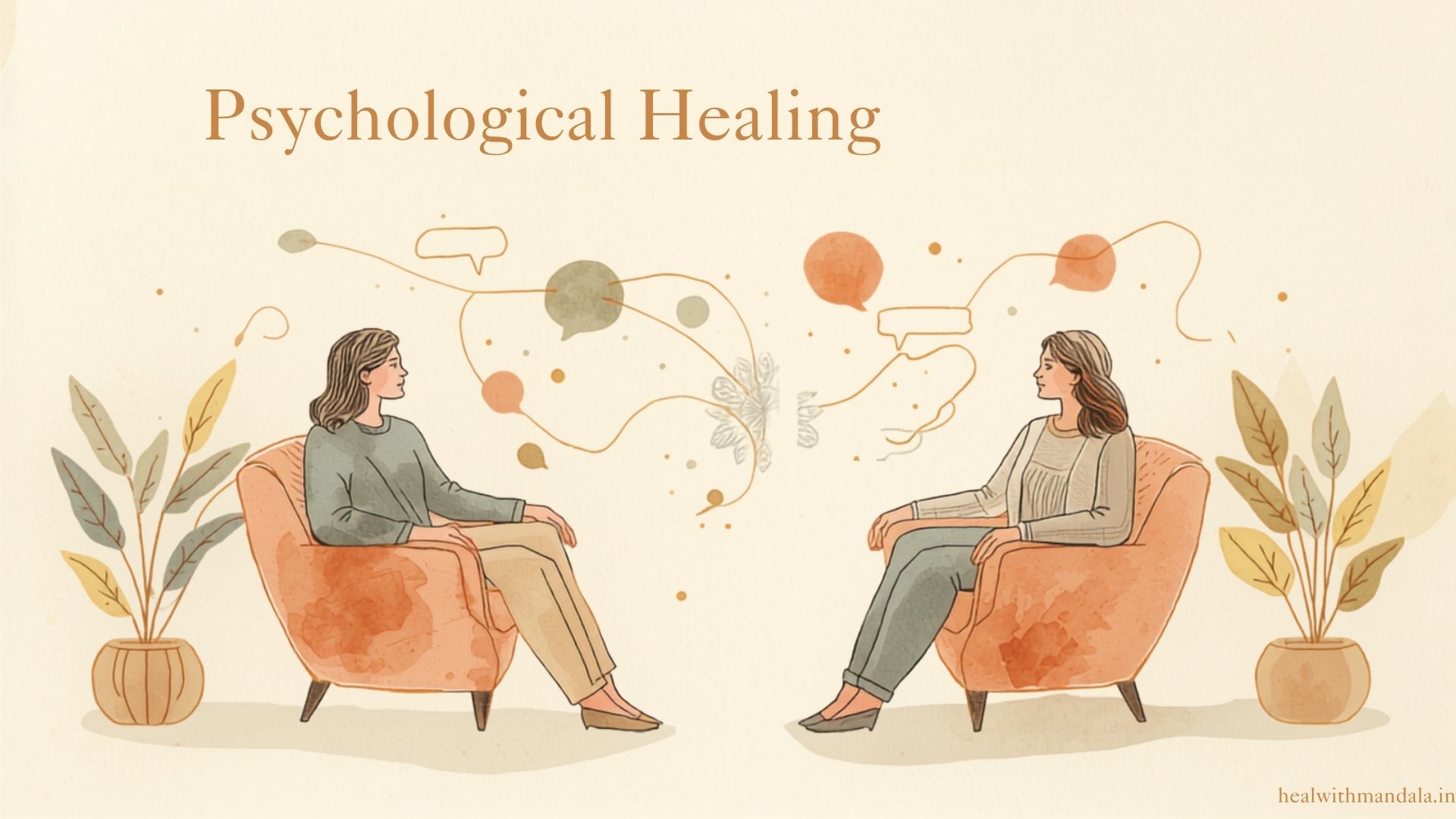
• Counselling
• Psychotherapy
• Cognitive Behavioural Therapy (CBT)
• EMDR
• Acceptance and Commitment Therapy (ACT)
These approaches are delivered by trained mental health professionals and are widely supported by scientific research for many emotional and psychological conditions.
Where Does Mandala Therapy Fit?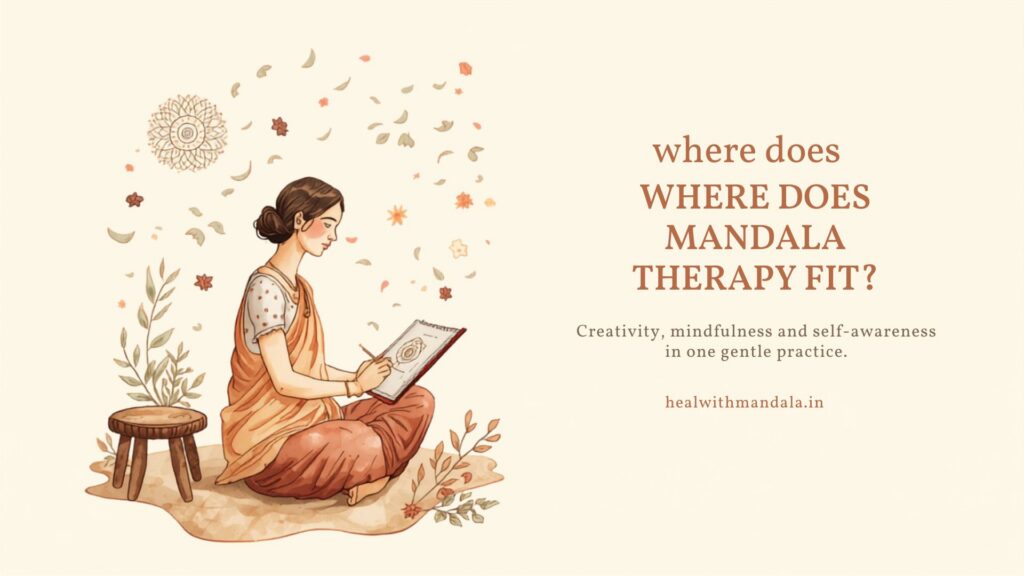
Mandala Therapy beautifully combines several healing approaches into one practice:
• It is a creative therapy because it uses drawing and colours.
• It is a mindfulness practice because it develops present-moment awareness.
• It becomes a meditation practice because attention naturally settles while creating a mandala.
• It encourages emotional healing because it provides a safe, non-verbal way to express feelings.
• It also supports self-awareness, helping people understand themselves more deeply.