
What Is Healing? And Why Is It Necessary?
The word healing is everywhere today. We hear it on social media, in workshops, and in conversations about mental health and personal growth. But what does healing actually mean?
When our body is injured, we can see the wound. We clean it, treat it, and with time it heals.
But what about the wounds we cannot see?
The pain of rejection, betrayal, loss, criticism, loneliness, childhood experiences, emotional neglect, or failure often leaves invisible marks that continue to shape our lives.
Healing is the journey of recognizing invisible wounds, accepting them, and gradually freeing ourselves from their influence.
What Does Science Say?
Research over the past few decades has shown that our emotions and thoughts have a direct impact on physical health.
When a person lives in constant stress, fear, or emotional pain, the body produces higher levels of stress hormones that can affect sleep, digestion, immunity, and overall well-being.
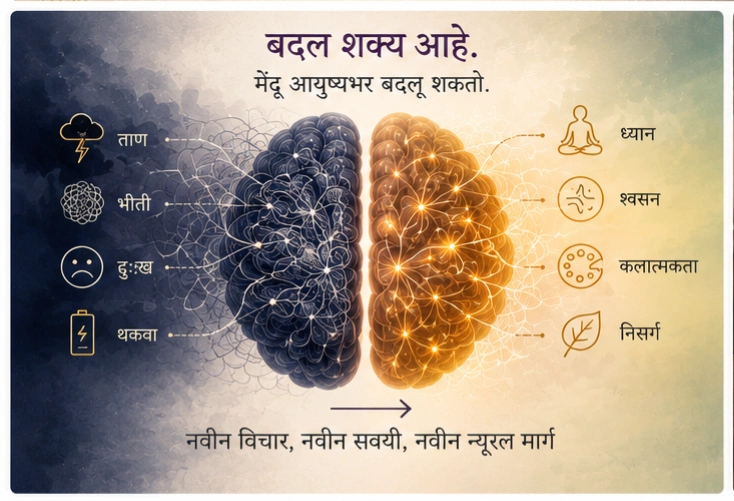
Yet science also offers hope. The brain can change throughout life. This remarkable ability is known as neuroplasticity.
The Brain Can Change. Which Means Healing Is Possible.
Meditation, counseling, conscious breathing, creativity, and meaningful experiences in nature can help create healthier neural pathways.
Healing Is Not About Avoiding Emotions
Many of us grow up hearing messages like “Don’t cry,” “Forget about it,” or “Be strong.”
But emotions do not disappear simply because they are ignored. They often return as anxiety, anger, insecurity, emotional exhaustion, or relationship conflicts.
Healing means creating space for emotions, understanding them, and learning to relate to them with awareness and compassion.
Ancient Wisdom and the Healing Journey
Indian wisdom traditions have explored the nature of emotional suffering for thousands of years.
The Yoga Sutras describe emotional impressions as Samskaras. The Upanishads remind us that beneath fear and confusion lies a peaceful and complete inner self.
The Bhagavad Gita teaches that awareness, acceptance, and right understanding can transform inner suffering.
Mandala Is More Than Art
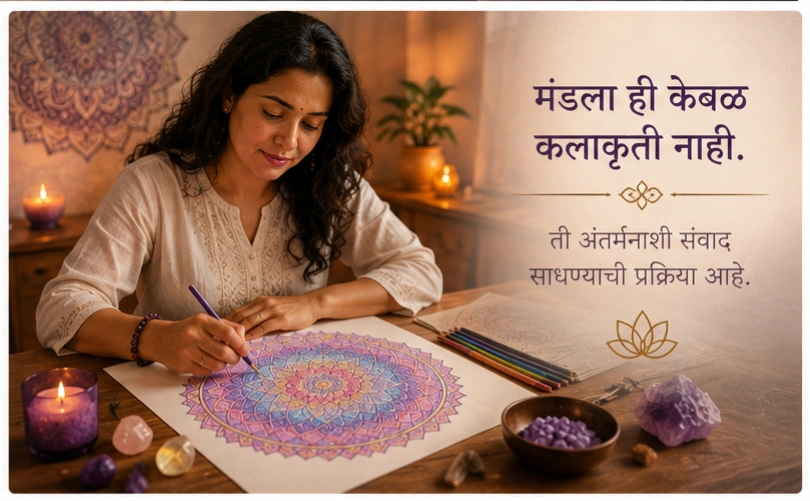
Mandala is not merely a creative activity. It is a process that helps the mind slow down and encourages a deeper connection with the self.
As a person creates a mandala, thoughts become quieter, emotions find expression, and a sense of inner balance often begins to emerge.
Carl Jung’s Perspective
Carl Jung described the mandala as a symbol of wholeness and psychological integration, making it a powerful tool for emotional healing and self-discovery.
Returning To Yourself
Healing is not about erasing the past. Healing is about changing our relationship with it.
Healing is the journey of returning to yourself with awareness, compassion, and love.